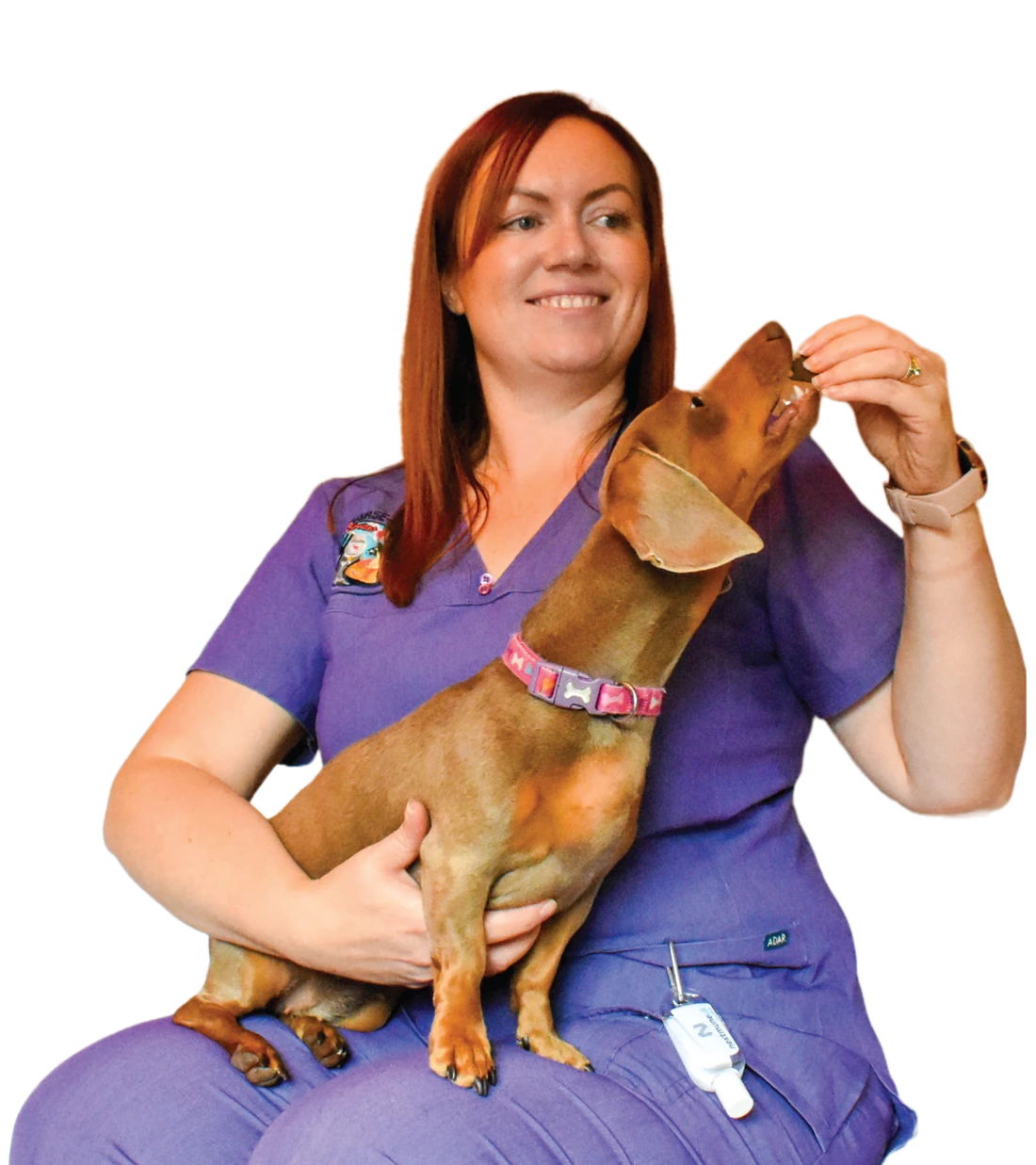
Questions before the first visit
Home veterinary care, clearly explained
If this way of accessing care is new to you, these are the practical questions most worth asking.

What happens during a veterinary home visit?
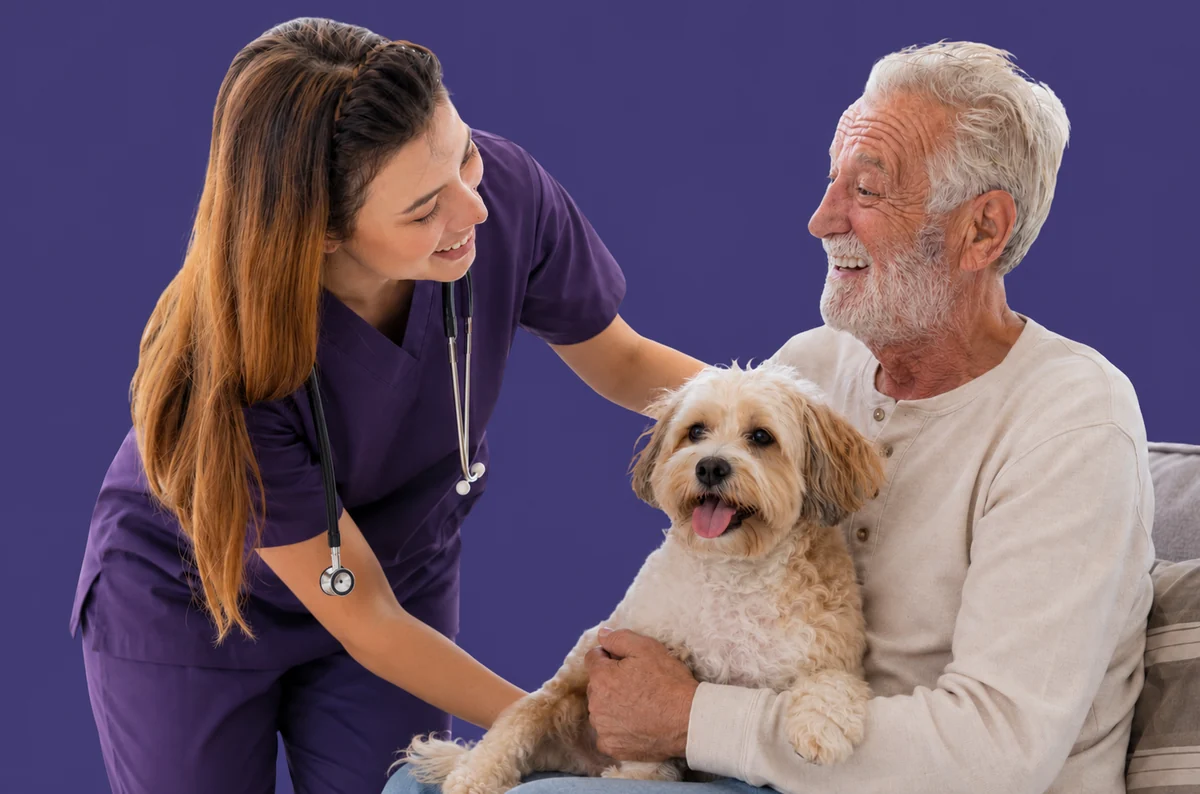
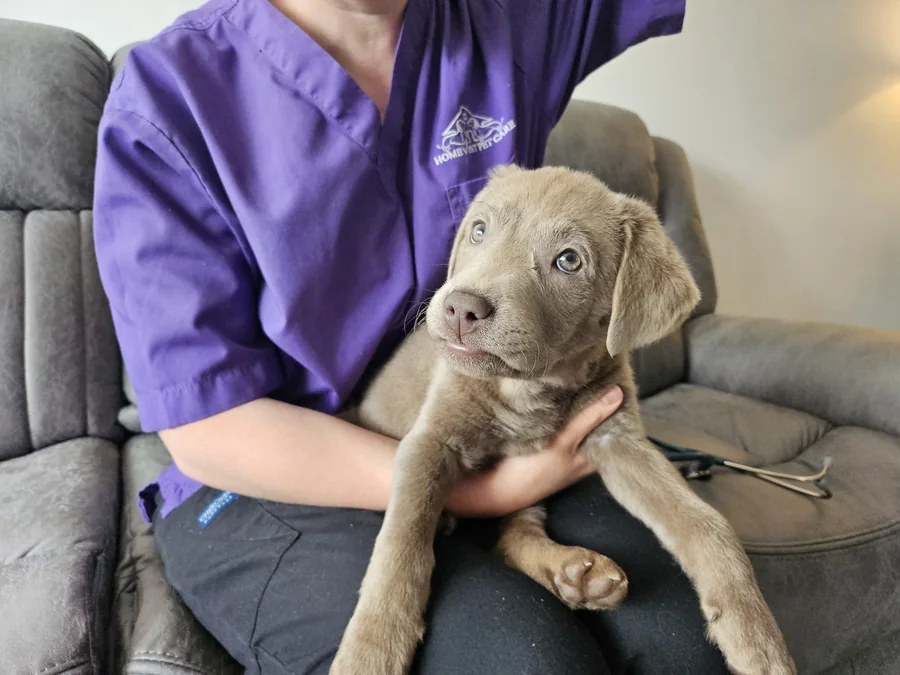
Your local team prepares for the reason you are booking, arrives with suitable mobile equipment and gives your pet time to settle before the assessment or treatment begins. They will explain their findings, record the care provided and discuss any next steps.
Is a home visit suitable for nervous dogs or cats that dislike carriers?
It can be especially helpful. Removing travel, unfamiliar animals and a waiting room may reduce several common triggers at once. Tell the branch about fear, hiding, reactivity or handling concerns before the appointment so they can plan appropriately.
Can I use Home Visit Pet Care alongside my usual vet?
Yes. Many clients use home visits for selected routine, preventative or supportive care while remaining registered with another practice. Relevant records can be shared with your permission.
What veterinary services can be provided at home?
Availability varies by branch, but services can include vet and nurse consultations, vaccinations, microchipping, nail care, selected sampling and diagnostic checks, preventative plans, breeder support and palliative or end-of-life care. Your branch will confirm what is locally available.
Do you provide emergency home visits?
No. Home Visit Pet Care is not an emergency or out-of-hours service. Severe, rapidly worsening or life-threatening problems normally need a fully equipped emergency practice without delay.
What if treatment cannot be completed at home?
The team will explain why another setting is safer and help you understand the appropriate next step. Surgery, hospitalisation, advanced imaging and some procedures require an equipped practice, hospital or referral service.
How should I prepare my home and pet for the visit?
Choose a quiet, well-lit space where your pet feels comfortable and let the branch know about parking, access, other animals, hiding places or handling concerns. Keep relevant medication and records nearby, but do not force your pet into position before the professional arrives unless asked.