Comfort is a gift worth giving
A novelty jumper or a stocking full of treats can be fun, but there are gifts that can help your dog live more comfortably as they age.
Arthritis is a painful, progressive condition and a common problem in senior dogs. Canine Arthritis Management cites estimates that around 80% of dogs over eight are affected. It deserves attention rather than being dismissed as simply getting older.
A veterinary check-up, appropriate pain relief, weight management and suitable exercise remain essential. Adapting your dog’s surroundings can also make everyday life easier. Christmas is a lovely opportunity to start.
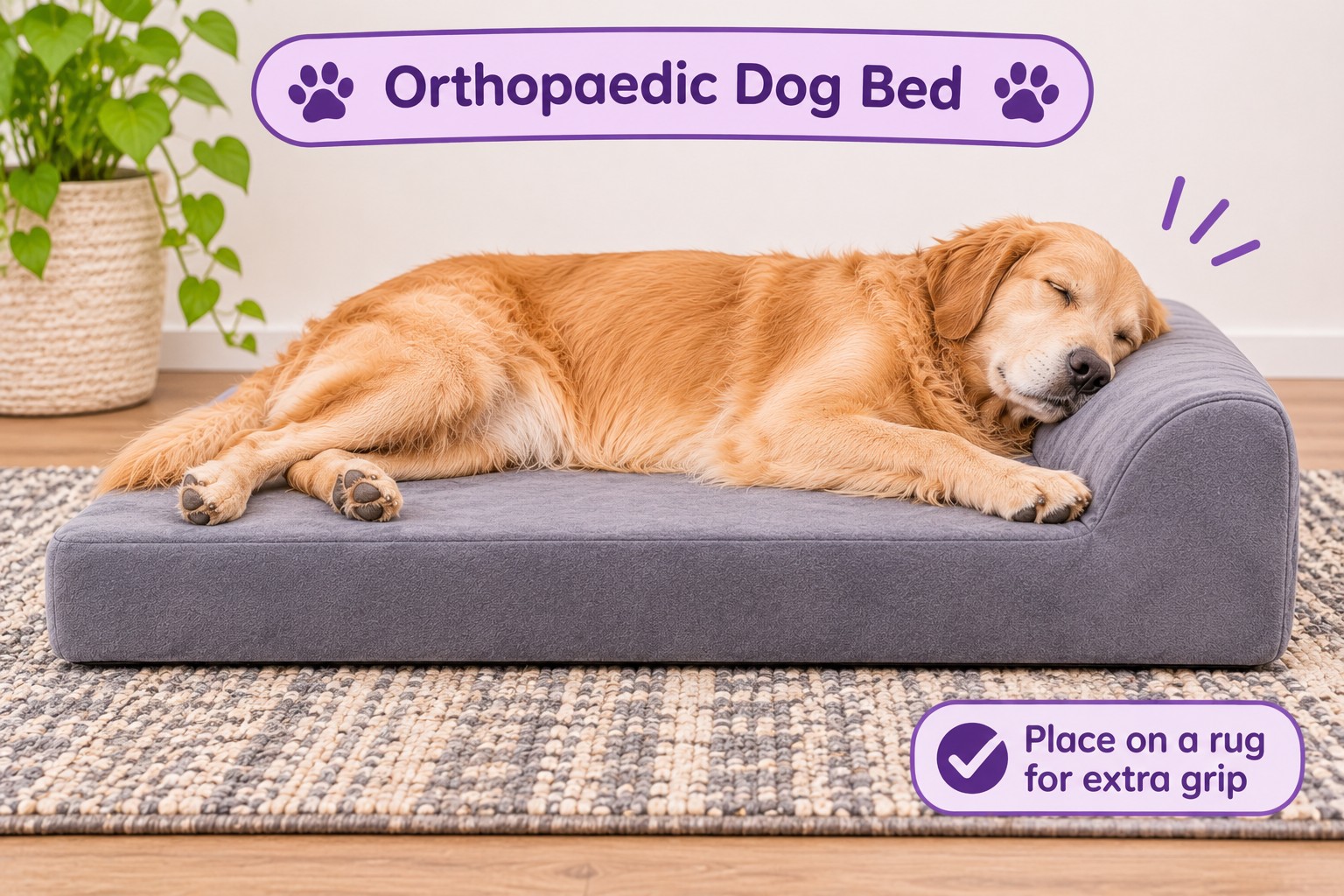
An orthopaedic mattress
Many dog beds are too small, too soft or too high-sided to suit a senior dog. The ideal bed should allow them to stretch out, support their joints and be easy to get in and out of.
Place the bed in an easily accessible part of the house where your dog likes spending time with you. Make sure it does not slip when they get in or out, and keep the surrounding floor free of clutter.
Avoid piles of loose blankets that could become tangled around their feet and increase the risk of trips.
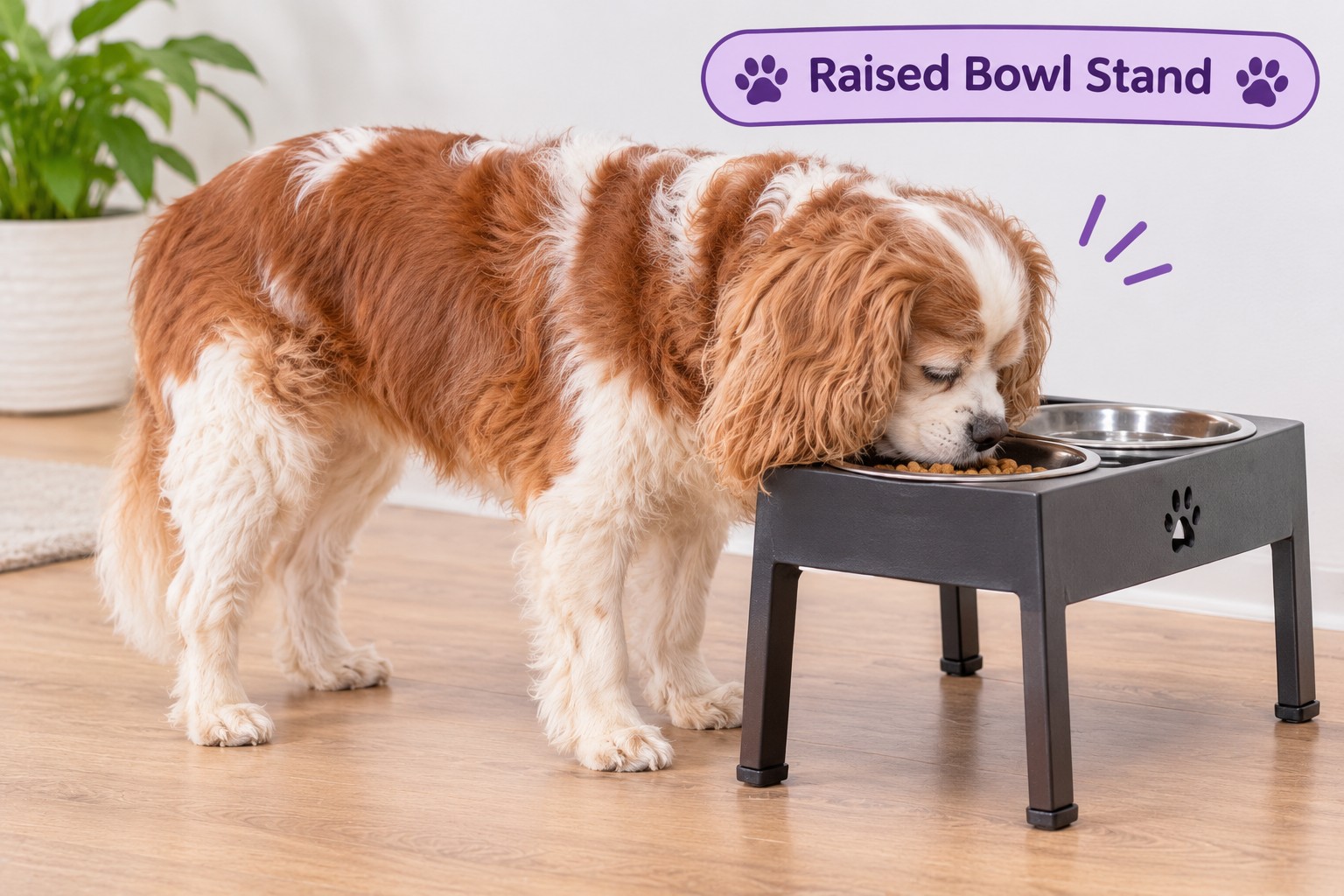
A raised food and water bowl
Bending down to eat at floor level can be uncomfortable for some dogs, particularly those with arthritis affecting their front legs, shoulders or neck. Raising the bowls may make eating and drinking more comfortable.
The right height varies between dogs. Look for a position that allows your dog to eat and drink without stretching upwards or bending excessively. Ask your vet whether raised bowls are appropriate for your dog, especially if they are at risk of bloat.
Non-slip rugs or runners
Furry feet, weak or painful joints and slippery floors do not mix well. Even small slips can put extra strain on joints and the muscles, tendons and ligaments that support them.
On laminate or tiled floors, create a secure walkway between favourite places such as the bed, food bowl and sofa. Place a rug beside the bed so your dog has a firm surface to push up from when standing. Cover areas where they step down from furniture, while also helping them avoid jumping.
Rugs by the front and back doors can help when paws are wet. Use non-slip backing where needed, and check that edges do not curl up and become a trip hazard.
A comfortable new harness
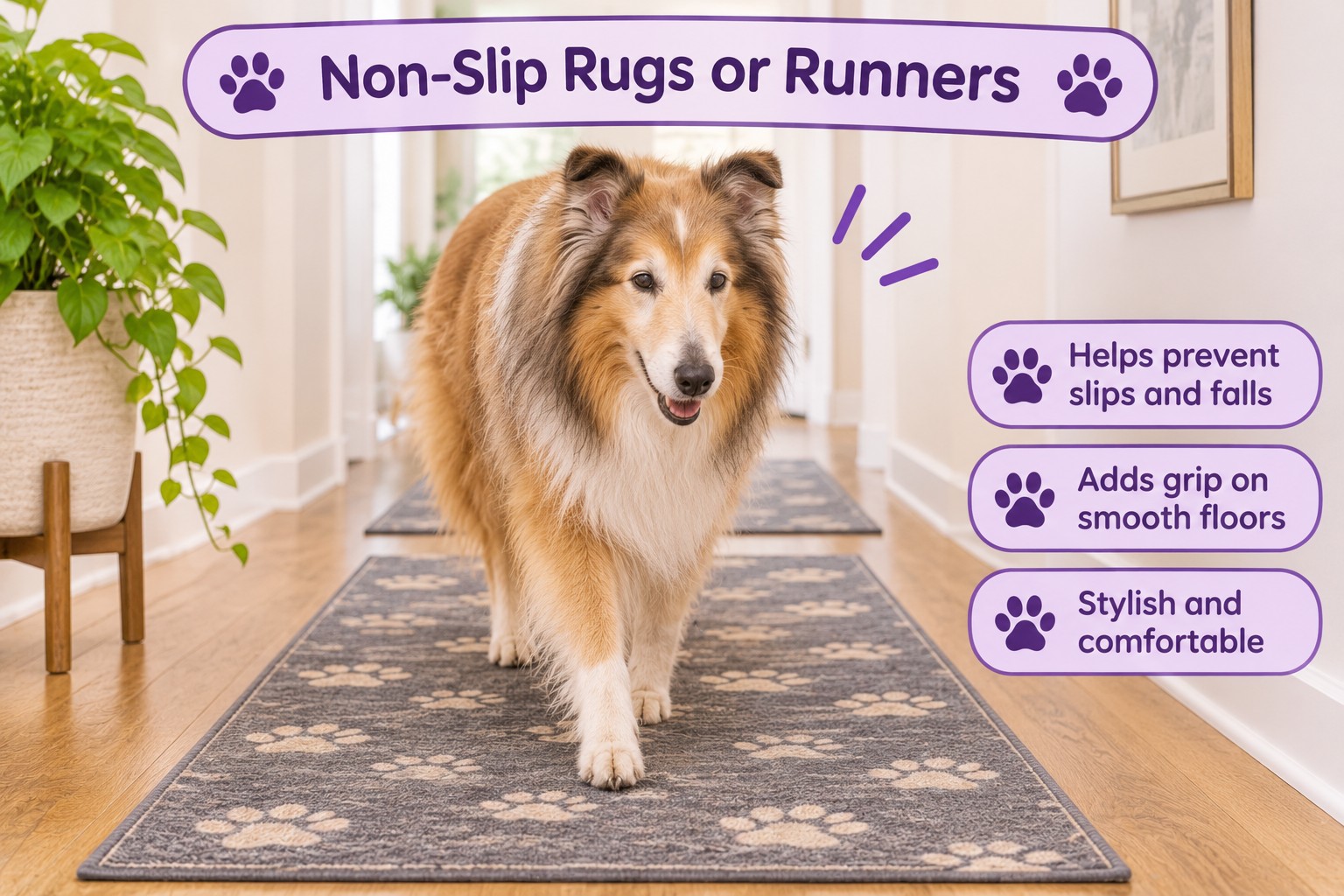
A well-fitted Y-shaped harness is worth considering for an older dog. Some horizontal chest straps can interfere with movement; the fit and design should allow your dog’s shoulders and legs to move freely.
An overhead or wide-opening design may be easier than a step-in harness, which can require a stiff dog to balance on three legs while a paw is threaded through a loop.
A harness with supporting handles may help when your dog needs assistance getting to their feet. Ask your vet or veterinary nurse to help you choose the right fit and show you how to provide support safely.
A car ramp
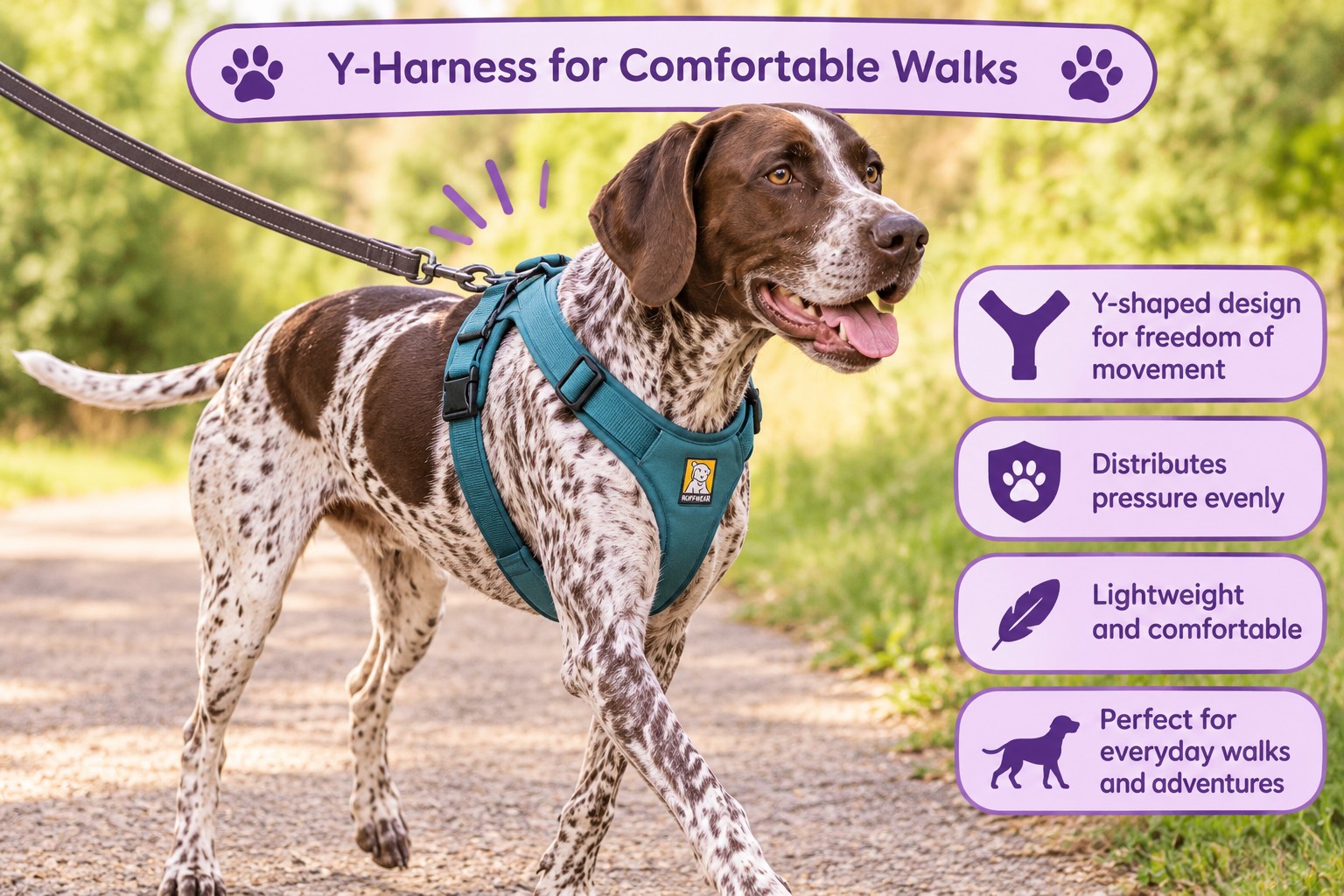
Jumping down from a car puts considerable load through the front legs. A 2018 study of dogs jumping from a simulated car boot found that peak forces increased with the height of the jump. This matters particularly for dogs with arthritis affecting the wrists, elbows or shoulders.
A sturdy ramp with a non-slip surface can help your dog get in and out of the car, particularly if they are too large to lift safely. Choose a stable ramp that does not bounce or move under their weight.
Take time to introduce it. Begin with the ramp flat on the floor and encourage your dog to walk along it, using suitable rewards. Once they are comfortable, introduce a gentle incline before progressing to the car. A suitable harness can help you guide and support them.
A warm coat or fleece
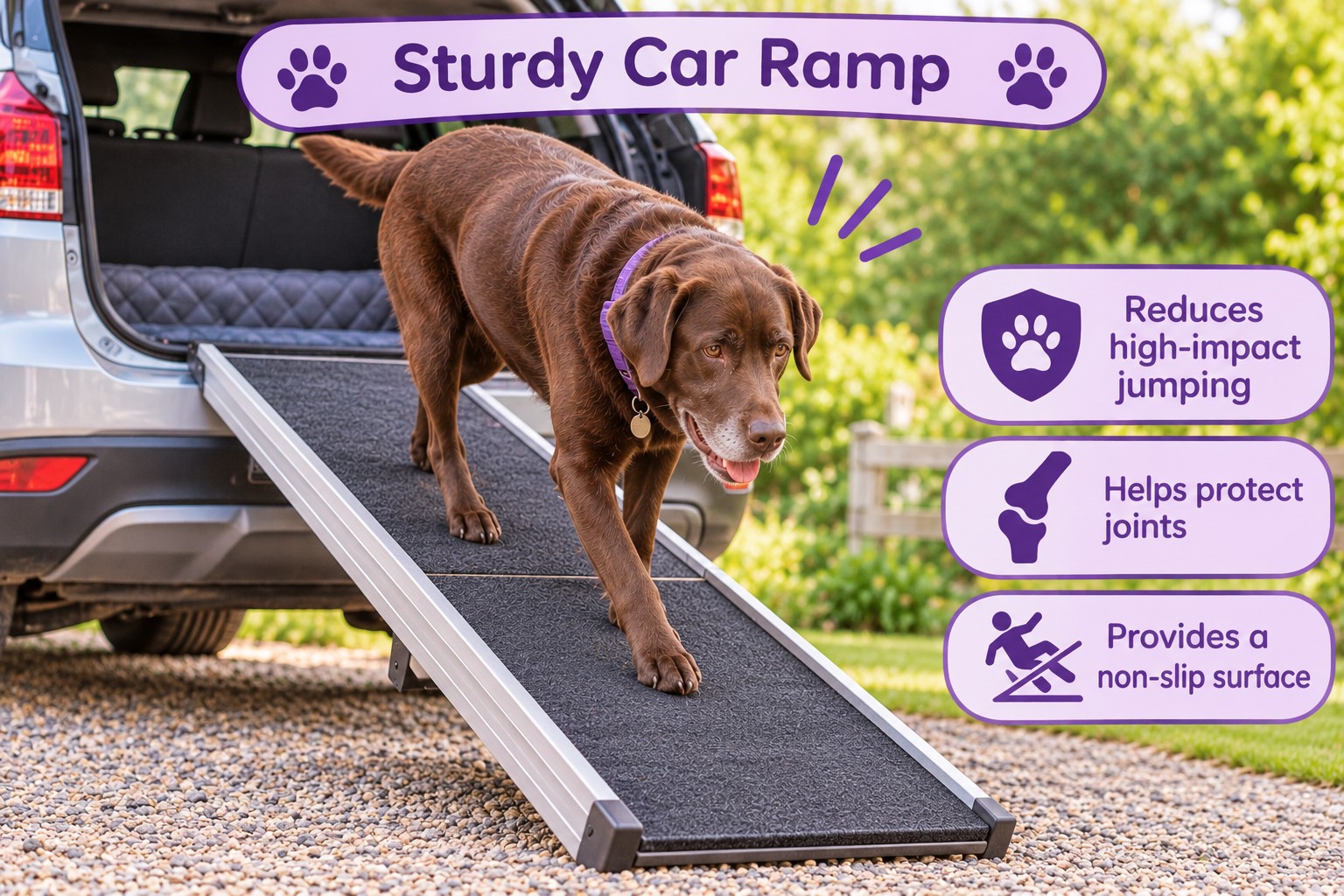
Some dogs with arthritis appear more uncomfortable when temperatures fall. Avoid very long walks in particularly cold weather and take extra care on frosty or icy ground, where slipping is more likely.
A well-fitting coat or fleece can make shorter walks more comfortable. A design with sleeves may offer additional warmth if your dog tolerates it, but it must allow free movement without restricting the legs or shoulders. Choose warmth and comfort over novelty.
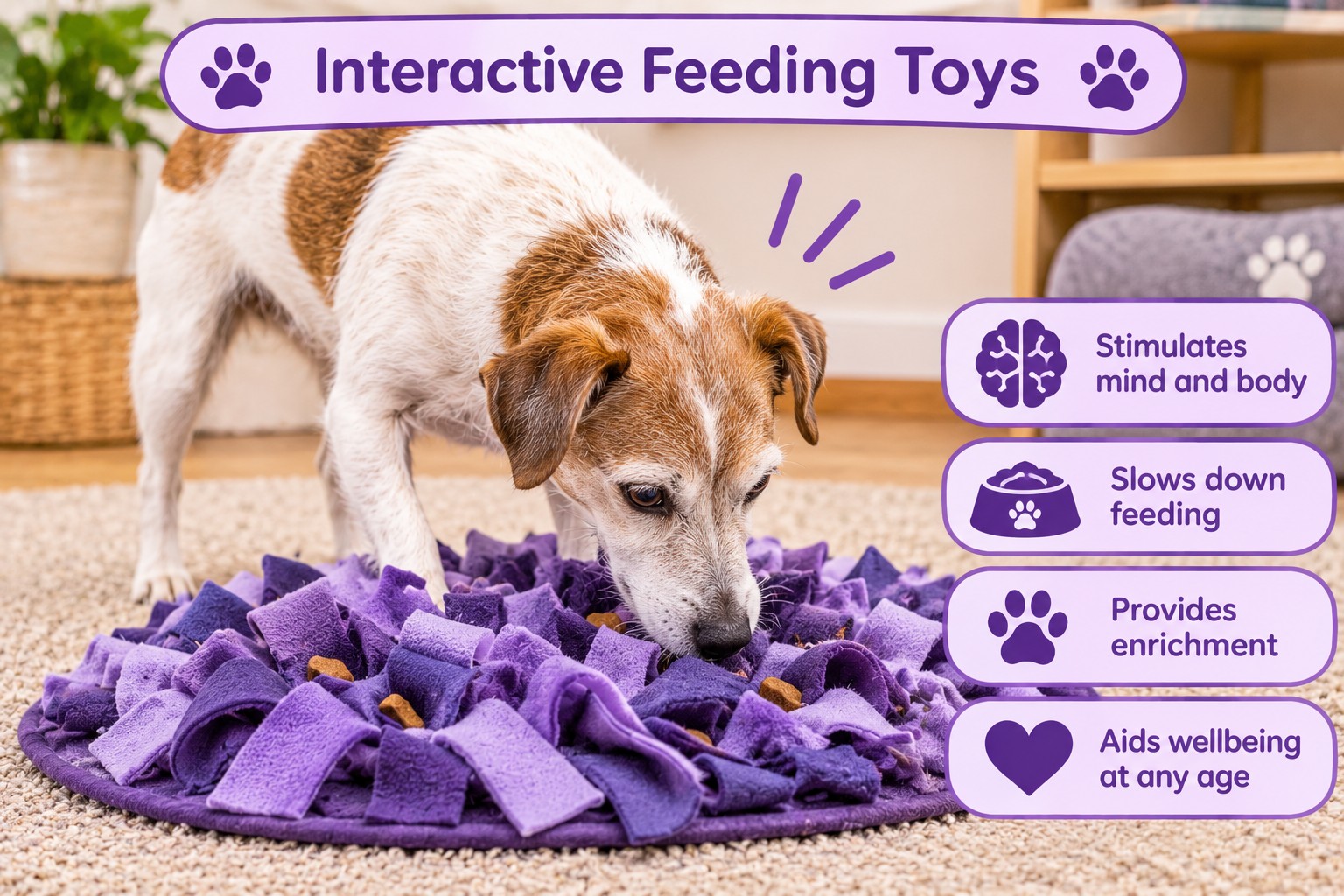
Interactive feeding toys
If your senior dog cannot walk as far as they once did, or needs shorter outings in cold or wet weather, gentle enrichment can help keep their mind active.
Snuffle mats, food-stuffable toys and slow-feeding bowls can encourage sniffing and gentle activity. Choose something your dog can use comfortably without difficult twisting, digging or balancing, and supervise them.
If these toys are new to your dog, spend time showing them how they work. Use dog-safe food and count it as part of their daily allowance to avoid unwanted weight gain.
Treat them to a little paw care
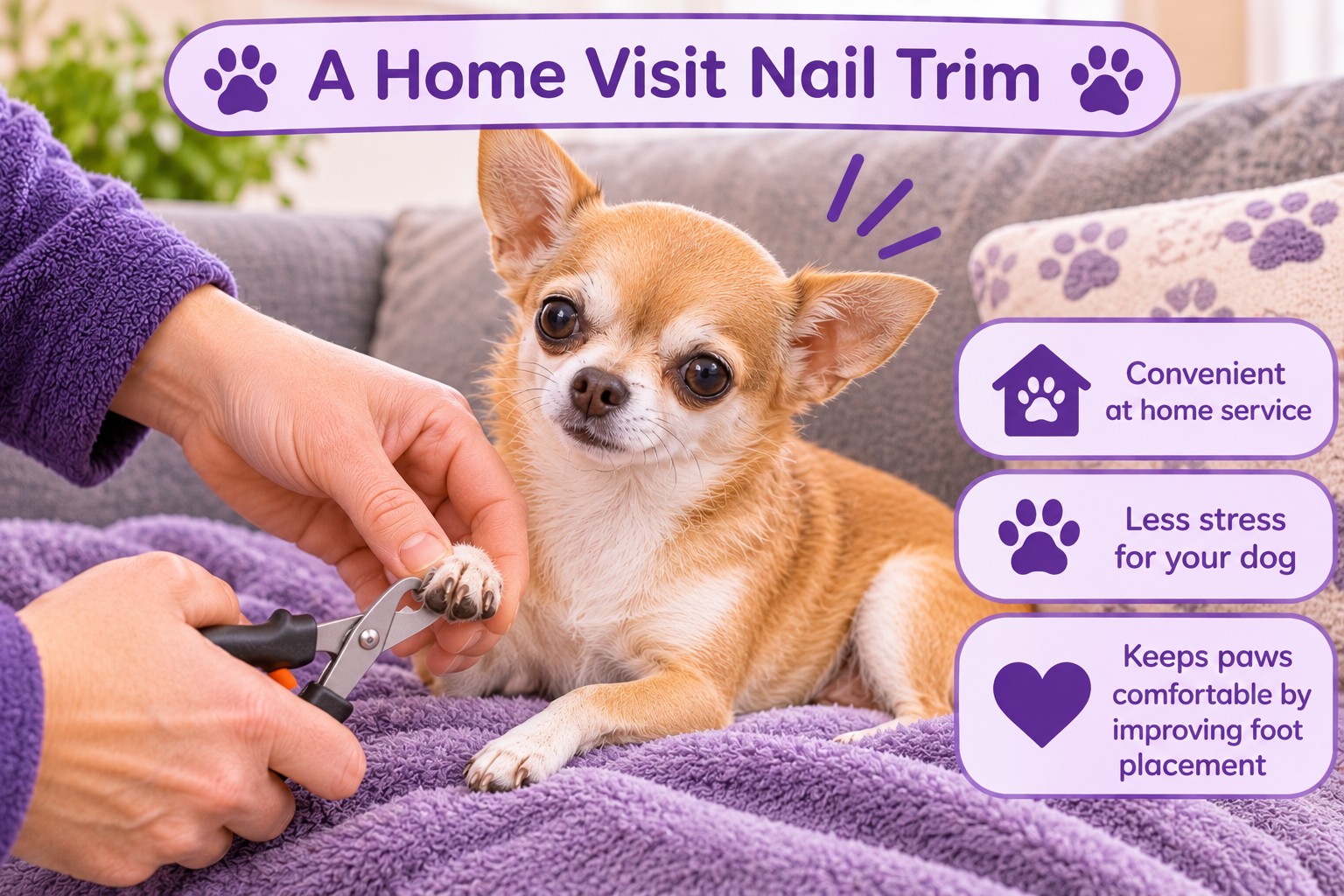
Older dogs who walk less may develop long nails. These can make slipping and tripping more likely and affect how the toes and feet sit on the ground, potentially causing discomfort.
Ask your veterinary nurse about a nail trim and a check of any long fur underneath the feet. Trimming excess paw fur where appropriate can improve grip on smooth flooring.
Sometimes the simplest changes make the biggest difference to your senior dog’s comfort and quality of life. What better Christmas present could there be?
Sources & further reading
Based on Kathryn’s 2026 Christmas gift guide. Explore the supporting information below.